
Once upon a time, video games were just a hobby. Today, they’re a billion-dollar industry where players compete for fame, fortune, and championship titles. This world is called esports — short for electronic sports — and it has grown into one of the most exciting forms of entertainment in modern culture. Let’s explore this topic in detail with Babu88!
What Is Esports
E-sports refers to organized competitive gaming where individuals or teams play against each other in video games for prizes and recognition. It covers a wide variety of genres — from shooting games to strategy battles and sports simulations. What makes e-sports unique is its mix of skill, teamwork, and technology, all happening in real time.
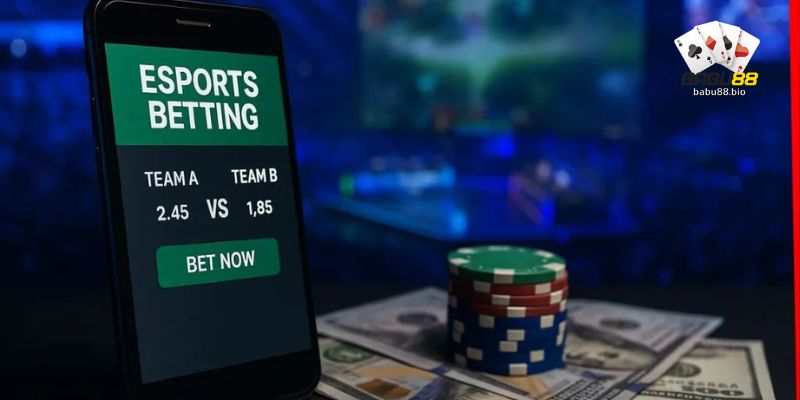
Much like traditional sports, e-sports has professional players, coaches, referees, leagues, and fans. Games like League of Legends, Dota 2, Counter-Strike, PUBG, Valorant, and Mobile Legends have built entire ecosystems around their tournaments and players.
The Rise of E-Sports
The idea of competitive gaming started decades ago with small local tournaments in the 1980s and 1990s. But it was the rise of fast internet and streaming platforms that turned e-sports into a global movement. When players could broadcast their matches online, millions of people started watching, cheering, and even learning from their favorite teams.
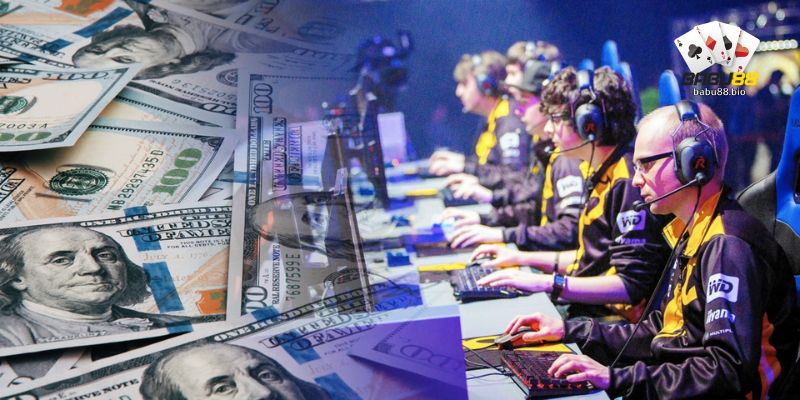
By the 2010s, big sponsors and gaming companies began funding professional tournaments with multi-million-dollar prize pools. What was once a pastime suddenly became a full-time career for skilled players worldwide. Today, e-sports events are streamed on YouTube, Twitch, Facebook, and TikTok — with live crowds filling arenas just like any major sporting event.
Popular E-sports Games
Not every game becomes an e-sport. The most successful ones are those that combine skill, balance, and excitement for both players and spectators. Here are some of the biggest titles that dominate the competitive scene:
- League of Legends (LoL): A multiplayer online battle arena (MOBA) where two teams fight to destroy each other’s base. It’s one of the most watched e-sports games in the world.
- Dota 2: Another MOBA with deep strategy and teamwork. Known for its annual “The International” tournament, which offers some of the highest prize pools in gaming history.
- Counter-Strike 2: A fast-paced tactical shooter focused on precision, teamwork, and reflexes. It’s been a staple in competitive gaming for over two decades.
- Valorant: A newer first-person shooter that blends shooting mechanics with unique character abilities. It has quickly built a strong professional scene.
- Mobile Legends: Bang Bang: Especially popular in Southeast Asia, this mobile MOBA attracts millions of players and fans from countries like the Philippines, Indonesia, and Malaysia.
- PUBG and Free Fire: Battle royale games where players compete to be the last one standing. They’re especially popular on mobile platforms.
- FIFA and NBA 2K: Sports simulation games that turn football and basketball into e-sports competitions with real-life athletes often participating.
How Esports Tournaments Work
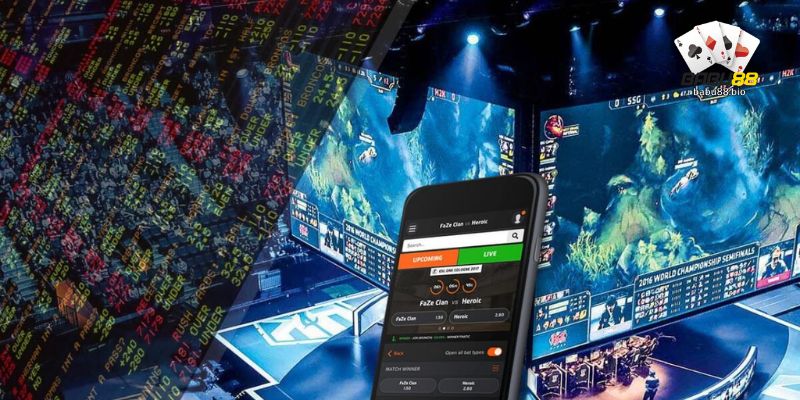
E-sports tournaments follow similar structures to traditional sports leagues. They feature qualifiers, group stages, playoffs, and grand finals. Some are local and community-based, while others are global competitions with teams representing different countries.
Online Qualifiers
Players or teams first compete in online qualifiers to earn spots in major tournaments. These events are open to everyone, allowing new talents to rise through the ranks.
Professional Leagues
Once qualified, top teams compete in organized leagues such as the LPL (China), LCS (North America), and MLBB Professional League (Southeast Asia). These leagues operate on seasonal formats with regular matches broadcast live.
Grand Championships
The best of the best face off in global finals — high-production events often hosted in stadiums with thousands of fans and millions watching online. The atmosphere rivals that of football or cricket finals, complete with lights, music, and intense gameplay.
The Life of a Professional Esports Player
Becoming a professional gamer takes much more than talent. Top players train daily, often 8–12 hours a day, improving reflexes, strategy, and communication. Teams have coaches, analysts, and nutritionists to help players perform at their best. Most players start young — many pros are between 18 and 25 years old, though some stay competitive well beyond that.
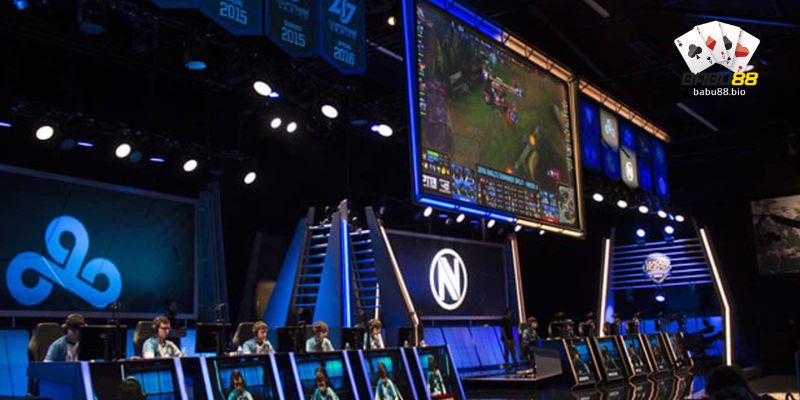
Just like athletes, e-sports pros earn through salaries, sponsorships, streaming, and tournament winnings. Some of the world’s best players have become millionaires, while others build long-term careers as streamers, coaches, or commentators after retiring from active play.
Why Esports Is So Popular
What makes e-sports different from regular gaming is its sense of community and competition. Fans connect with their favorite teams just like in football or basketball — wearing jerseys, following news, and cheering during live matches.
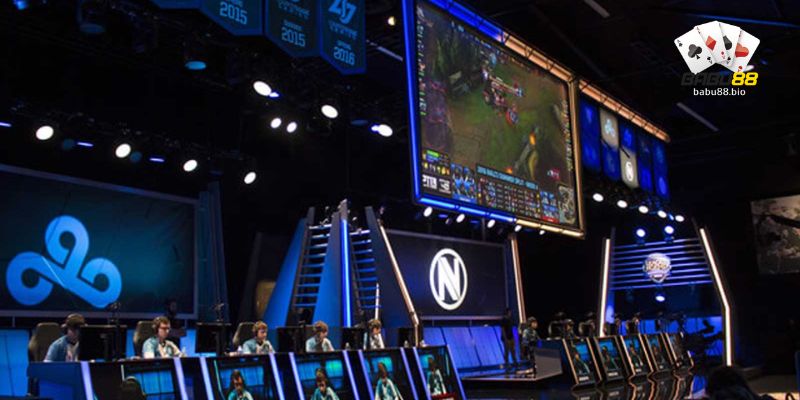
There’s also the global reach. Anyone with a phone, console, or PC can participate, removing the barriers of traditional sports. Whether you’re in Dhaka, Manila, or Los Angeles, you can play, stream, and compete against anyone in the world.
- Accessibility: Easy to join from anywhere with an internet connection.
- Diversity: Different game types appeal to every kind of player.
- Community: Strong fan bases that interact online and offline.
- Career Growth: Opportunities for players, casters, and content creators.
- Entertainment Value: High-quality broadcasts and exciting gameplay for viewers.
The Role of Streaming Platforms
Streaming platforms like Twitch, YouTube, and Facebook Gaming are a major reason why e-sports exploded. These platforms let anyone watch matches live, interact in chats, and support their favorite players. Streamers and professional gamers have millions of followers, turning gaming into both a career and a community.
In countries like the Philippines, Bangladesh, and Indonesia, mobile streaming has made e-sports even more inclusive. Players can now compete and broadcast from their phones, reaching massive audiences instantly.
Esports in Asia
Asia, particularly Southeast Asia, has become one of the biggest hubs for e-sports. Countries like the Philippines, Indonesia, Vietnam, and Bangladesh are rapidly building professional leagues and local tournaments. Games like Mobile Legends, PUBG Mobile, and Dota 2 dominate regional competitions, attracting sponsorships from global brands and millions of viewers.
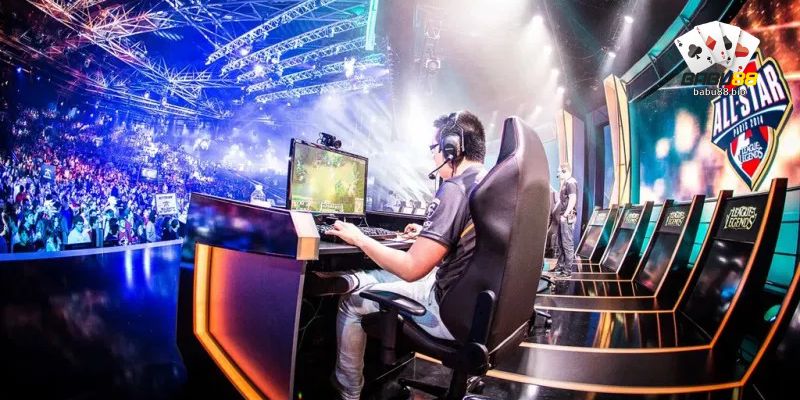
Governments and universities have even started recognizing e-sports as a legitimate sport, offering scholarships and organizing campus tournaments to develop young talent.
The Future of E-sports
The future of E-sports looks brighter than ever. With advancements in internet connectivity, virtual reality, and cloud gaming, competitive gaming will become even more immersive and widespread. Large companies like Riot Games, Valve, and Tencent continue to invest heavily, ensuring that e-sports will remain a core part of global entertainment.
There’s also a growing push for inclusion, diversity, and professionalism. More women, younger players, and even casual gamers are joining the e-sports scene — creating a truly global stage where anyone can compete.
The Spirit of Competition
At its core, Esports is about passion — the same passion you see in any sport. It’s about teamwork, skill, strategy, and the thrill of victory after hours of practice. Whether you’re a player, a fan, or just curious, e-sports shows how gaming has evolved from a pastime into a platform for dreams, careers, and communities around the world.
So next time you tune in to a live match or play with your friends online, remember — you’re part of a movement that’s changing how the world plays, watches, and connects. That’s the power of e-sports — competitive, inspiring, and unstoppable.
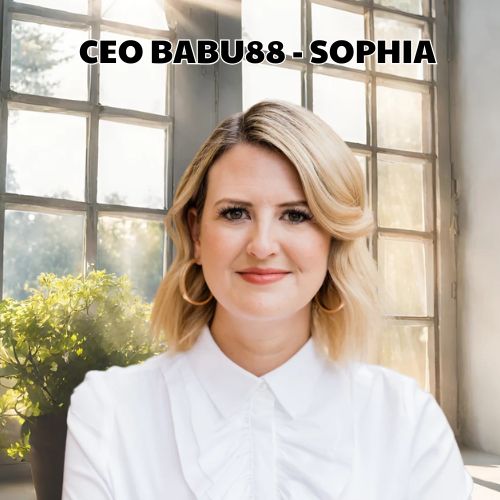
Sophia – A Trusted Author at BABU88
Contact Information for Sophia
Website: https://9102.cn.com/sophia/
Direct Hotline: +880 1712 246802
Email: [email protected]