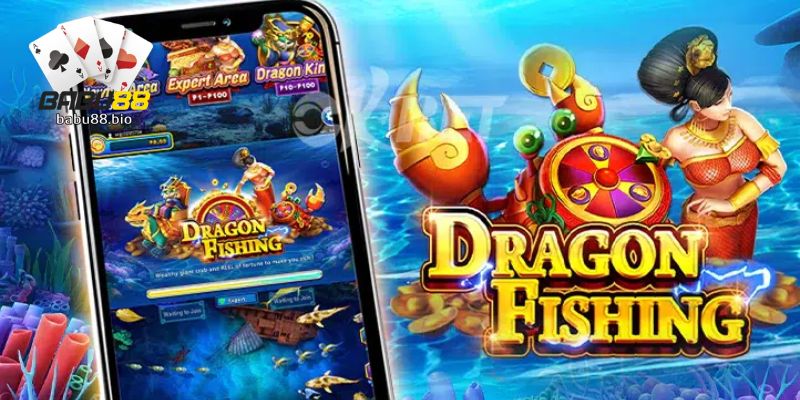
Dragon Fishing is a fishing-style arcade game format built around continuous targeting, real-time hit confirmation, and adjustable shot costs. The experience blends fast visual feedback with a bankroll model that can change quickly when cannon levels rise, special weapons trigger, or high-tier targets appear. That mix makes clarity and control more important than theme, especially when sessions run longer than planned.
On Babu88, Dragon Fishing is best approached as a system with visible inputs and measurable outputs. Target tiers, shot pricing, and bonus events can be assessed through repeatable checks that prioritize round integrity, readable payout cues, and stable performance across devices.
Dragon Fishing – Game format identity and core loop behavior
Dragon Fishing follows a continuous loop rather than discrete rounds. Shots are fired at targets on screen, credits are consumed per shot, and returns are tied to confirmed hits on specific targets. This structure can feel smooth and intuitive, but it also increases exposure risk because spending can accelerate without the natural pause that exists in slower game formats.

The core loop is shaped by three elements that should stay consistent during play. Shot costs must be clearly displayed, target tiers must be recognizable, and hit confirmation must match the visual result without delays or missing events.
Continuous play flow and session pacing
Continuous play means the game does not force a stop between actions. Cannon firing can be sustained, targets keep spawning, and special sequences may appear without warning. Pacing becomes a player-controlled variable, which is why time limits and stake ceilings matter more than in slower formats.
The pacing signals below help confirm whether the session is staying controlled:
- Shot rate stability where one input produces one firing event without duplication
- Visible cooldown cues when special weapons or skills are unavailable
- Consistent spawn rhythm without sudden screen clutter that obscures target tiers
- Clear pause access that actually stops firing and protects balance
Target tiers and hit confirmation signals
Target tiers typically range from low-value fish to high-value bosses or special creatures. Tier recognition should be possible through visual size, labeling, or consistent design language. Hit confirmation should be immediate and unambiguous, showing when a target is captured and what payout logic applies.
Practical clarity is improved when the interface separates three states. Those states are damage or hit effects, capture confirmation, and payout crediting, each displayed in a way that does not overlap or mislead.
Dragon Fishing – Cannon controls and stake exposure management
Cannon control is the primary risk lever in Dragon Fishing. A higher cannon level increases cost per shot and can accelerate spending rapidly during intense sequences. Exposure management depends on how clearly cannon levels are displayed and how safely the interface handles changes during active play.

The most reliable sessions keep cannon adjustments deliberate. Sudden increases during tilt moments tend to create budget drift, especially when high-tier targets appear and the urge to chase grows.
Cannon level logic and cost visibility
Cost visibility should be persistent on the main play screen. Cannon level, per-shot cost, and any multiplier state should remain readable even during bonus animations. If cost is hidden behind menus or becomes unclear during boss sequences, selection quality drops.
The list below outlines signals that usually indicate solid cost visibility:
- Always-on stake display showing cost per shot clearly
- Increment clarity indicating how much each level change adjusts cost
- Confirmation cues when a level change is applied
- Safe placement of level buttons to reduce accidental taps
Exposure control patterns that reduce chasing
Exposure control is strongest when rules are set before high-action sequences begin. A simple structure keeps behavior consistent even when a boss appears or multiple special targets spawn. Controls should be easy to execute without mental negotiation.
A practical set of controls that fits most Dragon Fishing sessions includes:
- Stake ceiling that sets a maximum cannon level and does not change mid-session
- Time cap such as a fixed block that ends regardless of momentum
- Cooldown breaks scheduled pauses after intense sequences
- Loss stop rule that ends the session when a defined threshold is reached
- Win lock behavior that reduces cannon level after a strong capture
Special events boss phases and bonus mechanics
Dragon Fishing typically includes special events that interrupt normal targeting. Boss phases, weapon triggers, and event creatures can create bursty outcomes and emotional pressure. These moments should be evaluated through rule clarity and outcome presentation, not excitement.
Special mechanics are easiest to manage when triggers and effects are explained clearly. When information is vague, players tend to overestimate what a bonus can deliver and escalate cannon levels at the wrong time.
Boss encounters and difficulty signals
Boss encounters are commonly presented as higher-tier targets that require sustained fire or coordinated capture conditions. Difficulty is often implied through durability, movement patterns, or special defenses. A clear boss phase communicates entry and exit states, along with any constraints such as limited time or required weapon use.

The signals below help confirm whether a boss encounter is being presented clearly:
- Visible boss entry cue that indicates the phase has started
- Readable durability indicator such as a health bar or shield state
- Clear end condition showing whether time expired or capture was confirmed
- Payout messaging that separates boss capture payout from standard captures
Weapon skills and event multipliers
Special weapons and skills can change the hit model by increasing area damage, improving capture probability, or altering target behavior. Event multipliers can also affect outcomes by boosting returns during short windows. These features increase complexity, which makes interface clarity necessary.
The table below outlines common mechanic types and the control signal that supports better decision-making:
| Mechanic type | Typical effect | Clarity signal |
| Area weapon | Hits multiple targets at once | Visible cooldown and cost state |
| Lock targeting | Prioritizes a selected target | Clear lock icon and cancel control |
| Timed event | Short window with enhanced effects | Countdown timer and rules overlay |
| Multiplier phase | Boosted return structure | Explicit multiplier display near stake |
Outcome reporting and record integrity checks
Fishing-style games depend on reliable event reporting. Each capture should map to a clear payout, and the balance should reflect the event without lag or double counting. Record integrity is the strongest trust signal because it supports session review and reduces disputes.
Integrity checks should focus on alignment between three layers. Those layers are on-screen capture confirmation, any in-game history or log view, and wallet balance updates.
Payout cues and capture confirmation discipline
Payout cues should appear at the capture moment, not seconds later. The capture state should be distinct from hit effects that do not result in a payout. When these states blur together, players can misread near-captures as wins and escalate stakes unnecessarily.
Reliable cue patterns often include a capture tag, a payout number, and a balance update that occurs immediately after the capture state is confirmed.
Session logs and dispute readiness signals
A usable record trail includes timestamps, stake levels, and capture results in a way that can be reviewed after play. If a log exists, it should remain accessible after reconnect and should not reset unexpectedly. Dispute readiness improves when records are complete and aligned with wallet changes.
The checkpoints below support a quick integrity review:
- Balance alignment where each capture updates the wallet once
- History completeness with no missing blocks during intense sequences
- Reconnect stability where the session returns without duplicate deductions
- Clear error messaging when a capture cannot be confirmed due to interruption
Device performance and mobile stability expectations
Dragon Fishing places steady demand on the device because it runs continuous animation and frequent input events. Mobile stability matters because touch misreads, frame drops, or latency can change shot accuracy and increase unintended spending. Stability should be evaluated through responsiveness, button safety, and recovery behavior after interruptions.
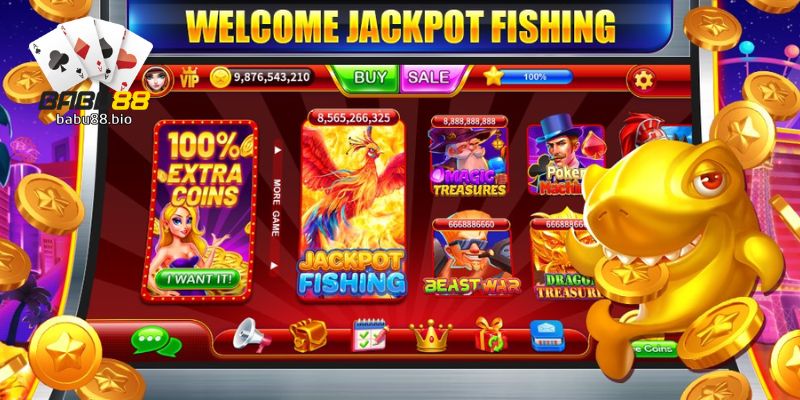
A stable experience supports consistent shot control and predictable skill activation. When performance degrades, control becomes less precise and session discipline becomes harder to maintain.
Touch accuracy and control safety
Touch accuracy is reflected when one tap equals one action and when control placement reduces mis-taps during high-action sequences. Cannon level buttons, skill triggers, and pause controls should be accessible without being too close to each other.
The list below highlights control safety signals that typically reduce accidental exposure:
- Distinct button spacing between level changes and firing controls
- Stable UI placement that does not shift during animations
- Clear press feedback confirming whether a skill was activated
- Reliable pause behavior that stops firing instantly
Network changes and session recovery behavior
Network changes can occur during mobile sessions, especially when switching between Wi-Fi and mobile data. Recovery behavior should prevent duplicate deductions and should preserve state clarity. If a shot sequence is interrupted, the system should restore the session safely with clear messaging rather than resuming in an ambiguous state.
A strong recovery flow preserves wallet alignment and allows play to resume only when the interface confirms the current state clearly.
Experienced gameplay support from Babu88
Babu88 presents Dragon Fishing with an emphasis on clear interface signals, stable device behavior, and record visibility that supports controlled sessions. The platform experience is structured to reduce confusion around cannon levels, capture confirmation, and recovery behavior during interruptions, which helps sessions remain measurable rather than impulsive.

Sophia – A Trusted Author at BABU88
Contact Information for Sophia
Website: https://9102.cn.com/sophia/
Direct Hotline: +880 1712 246802
Email: [email protected]